


Designing Semiconductors with Supercomputers and cutting-edge quantum computational techniques
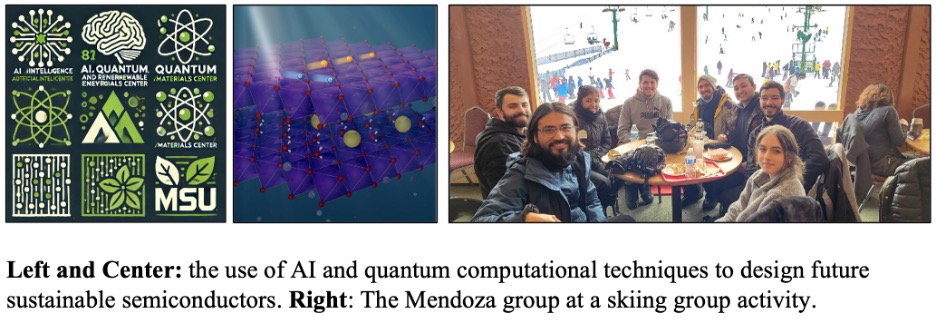
In any of the following projects, you will explore the exciting world of materials science using cutting-edge quantum computational techniques. We have three main areas of focus that you can choose from. The first project involves using density functional theory (DFT) to build and study diamond and diamond-doped materials. You’ll predict their physical and chemical properties, which can help in designing new materials with specific characteristics, such as increased hardness or improved conductivity. The second project dives deeper into the atomic-level mechanisms of diamond growth. By simulating how atoms interact and arrange themselves during the formation of diamonds, you’ll gain insights into how we can better control and optimize the growth process, which is crucial for industrial applications.Finally, the third project offers a unique opportunity to work on semiconductors using and expanding our novel high-throughput method recently developed by our lab (learn more). This method accelerates the discovery and optimization of semiconductor materials for cutting-edge applications like artificial photosynthesis and solar energy conversion. Your work could contribute to breakthroughs in sustainable energy technologies.
Science goals:
- Understanding Material Properties Using Quantum Computational Techniques: Predict and analyze the physical and chemical properties of diamond and diamond-doped materials using density functional theory (DFT). This can lead to the design of materials with tailored characteristics, such as enhanced hardness or improved electrical conductivity.
- Atomic-Level Mechanisms of Diamond Growth: Investigate the atomic-level processes involved in the growth of diamonds. Simulating how atoms interact and arrange themselves during diamond formation will provide insights that could optimize and control the growth process, which is crucial for various industrial applications.
- Advancing Semiconductor Material Discovery: Utilize and further develop a novel high-throughput computational method to discover and optimize semiconductor materials for applications in artificial photosynthesis and solar energy conversion. This work aims to accelerate breakthroughs in sustainable energy technologies.
Learning goals:
- Mastering Quantum Computational Methods: Gain hands-on experience with quantum computational tools like density functional theory (DFT) to predict material properties and design novel materials.
- Developing Skills in Material Growth Simulation: Learn to simulate atomic-level interactions and growth mechanisms, gaining expertise in computational techniques for modeling and optimizing the synthesis of materials.
- High-Throughput Computational Techniques in Material Science: Acquire skills in high-throughput computational methods, understanding their application in materials discovery, particularly for semiconductors, and how these techniques can drive innovations in renewable energy technologies.
- Interdisciplinary Problem-Solving: Cultivate an interdisciplinary approach to problem-solving that integrates materials science, computational chemistry, and renewable energy technologies.
- Contributing to Sustainable Energy Research: Develop a deep understanding of how quantum simulations and high-throughput methods can contribute to solving global energy challenges through the discovery of new materials for sustainable technologies.
 Early Engagement in Semiconductor Materials and Technologies REU